What Should a Brand Send to a Handbag Manufacturer?
A complete technical pack is helpful but not always required for the first review. A brand can begin with an AI-generated concept, sketch or reference image together with approximate dimensions, intended use, material direction and commercial requirements.
Novlane reviews these inputs and identifies details that may look attractive in an AI image but require engineering changes to work as a real bag. This creates a practical starting point for AI-designed handbag manufacturing without treating the rendering as a finished specification.
Initial development brief
- AI concept, sketch or reference image
- Approximate dimensions and intended use
- Preferred material, colour and hand feel
- Logo artwork and branding positions
- Hardware colour and functional requirements
- Interior pockets, closure and carrying method
- Target quantity, market and delivery date
Step 1: AI Concept and Engineering Review
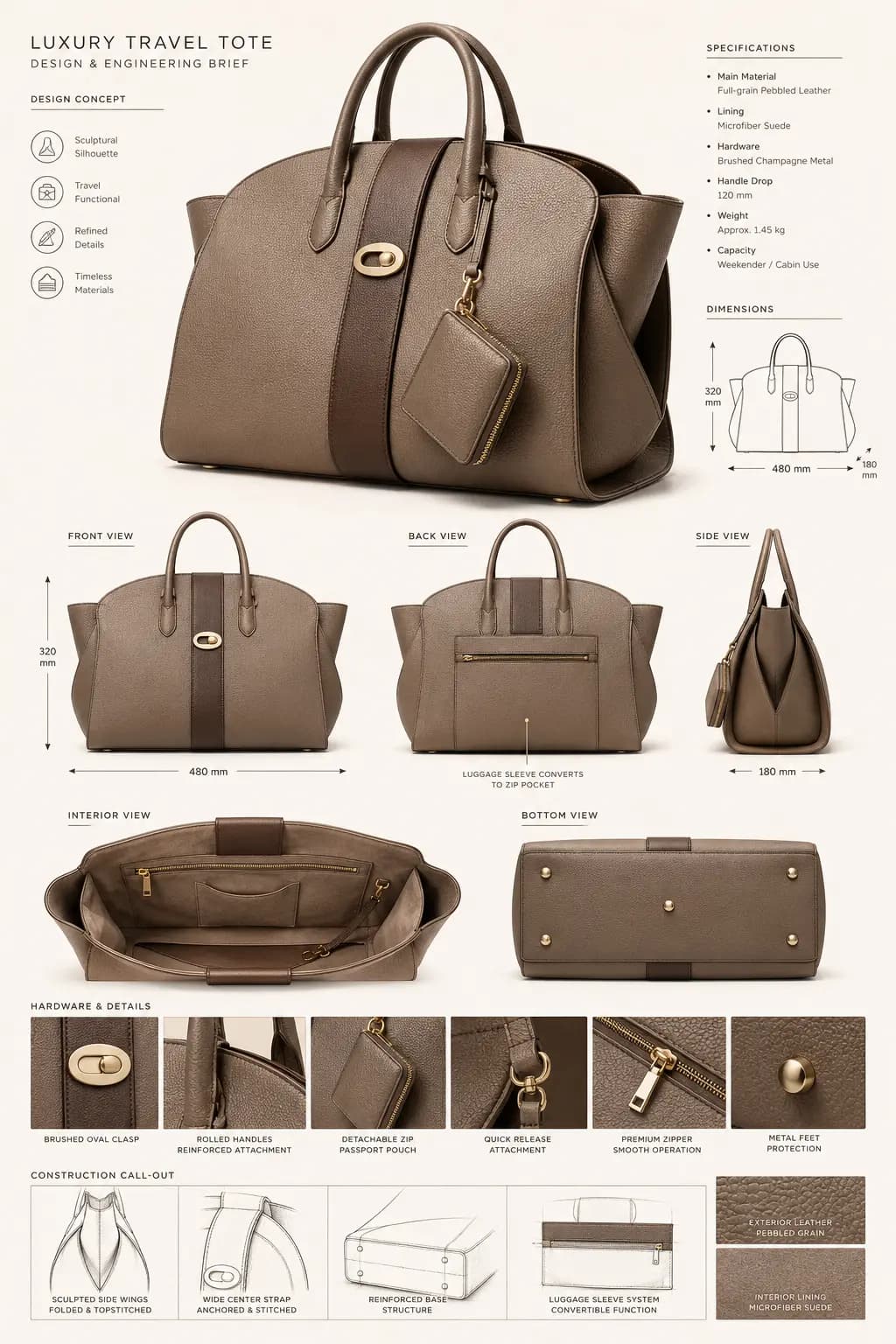
AI design to physical sample development is not simply a matter of copying an image. The development team checks proportion, opening access, handle strength, base structure, pocket placement, hardware load and production feasibility.
For this original travel-tote concept, the brief considers a sculpted body, rolled handles, a centre strap, detachable passport pouch and convertible rear luggage sleeve. Each feature must be converted into measurable construction details before pattern making.
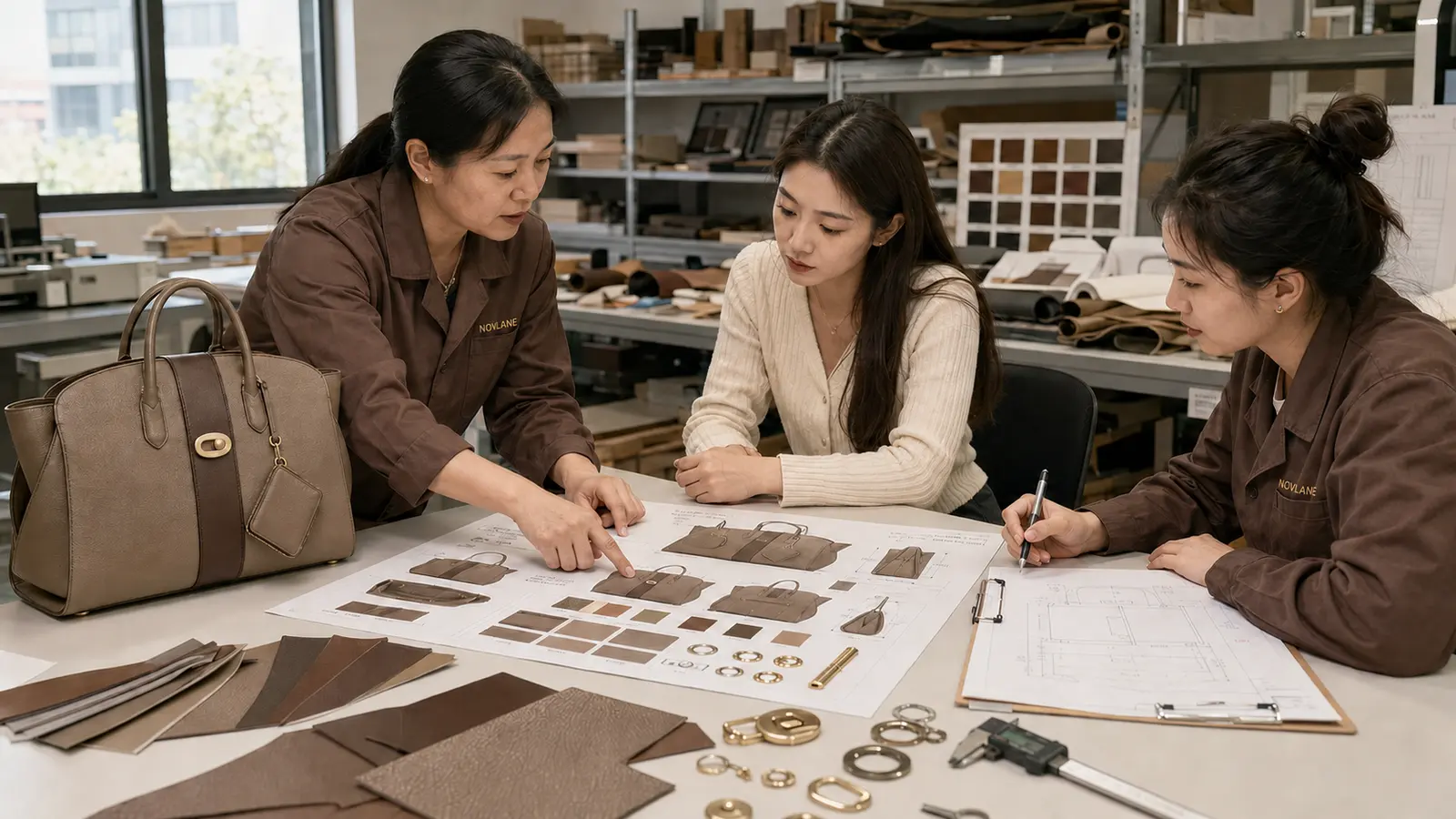
Step 2: Material and Custom Handbag Hardware Development
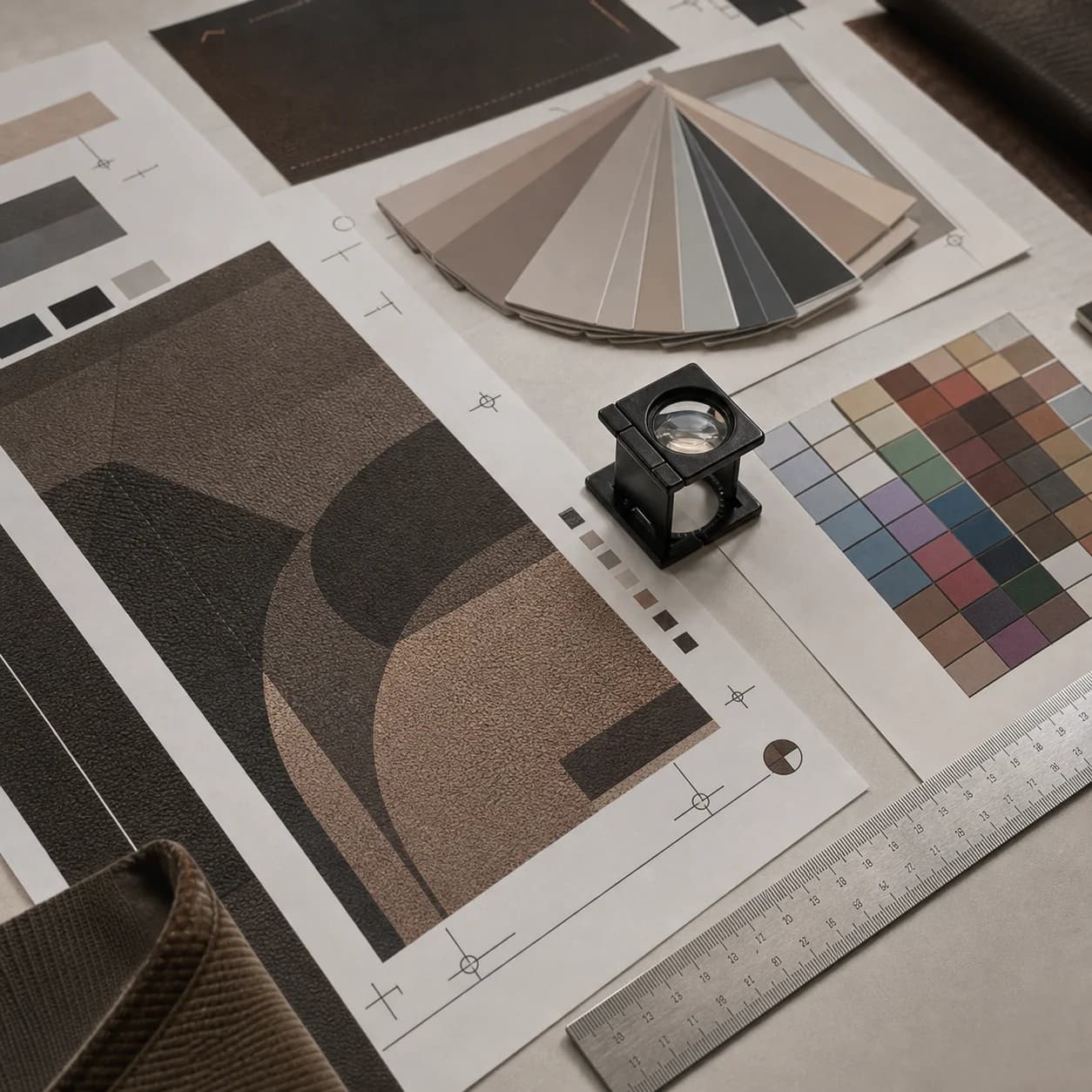
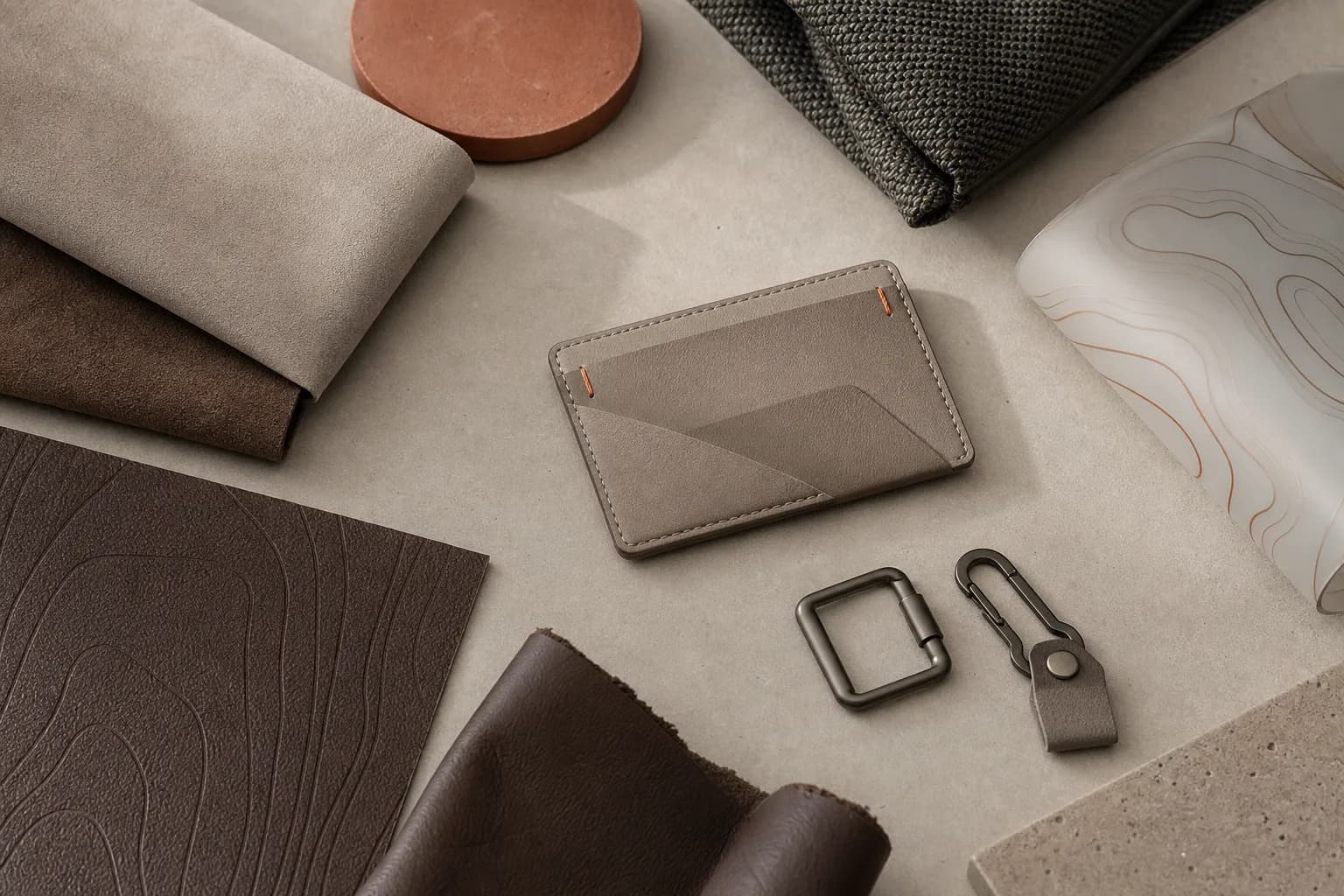
Material choice affects shape, weight, seam construction, hand feel and commercial positioning. Depending on the brand direction, the review may compare genuine leather, vegan leather, microfiber suede, Alcantara, apple leather, TPU or GRS recycled fabrics.
Existing premium hardware may support faster sampling, while custom handbag hardware can include laser-engraved components, metal plates, clasps and zipper pulls. Fully customized pieces may require mould charges, a separate supplier MOQ and approval of finish, wear and colour consistency before the pre-production sample.
Material and hardware decisions
- Exterior and lining material
- Structure and reinforcement
- Existing or custom metal components
- Silver, gold, gunmetal or black finish
- Logo application
- Wear and tarnish-resistance requirements
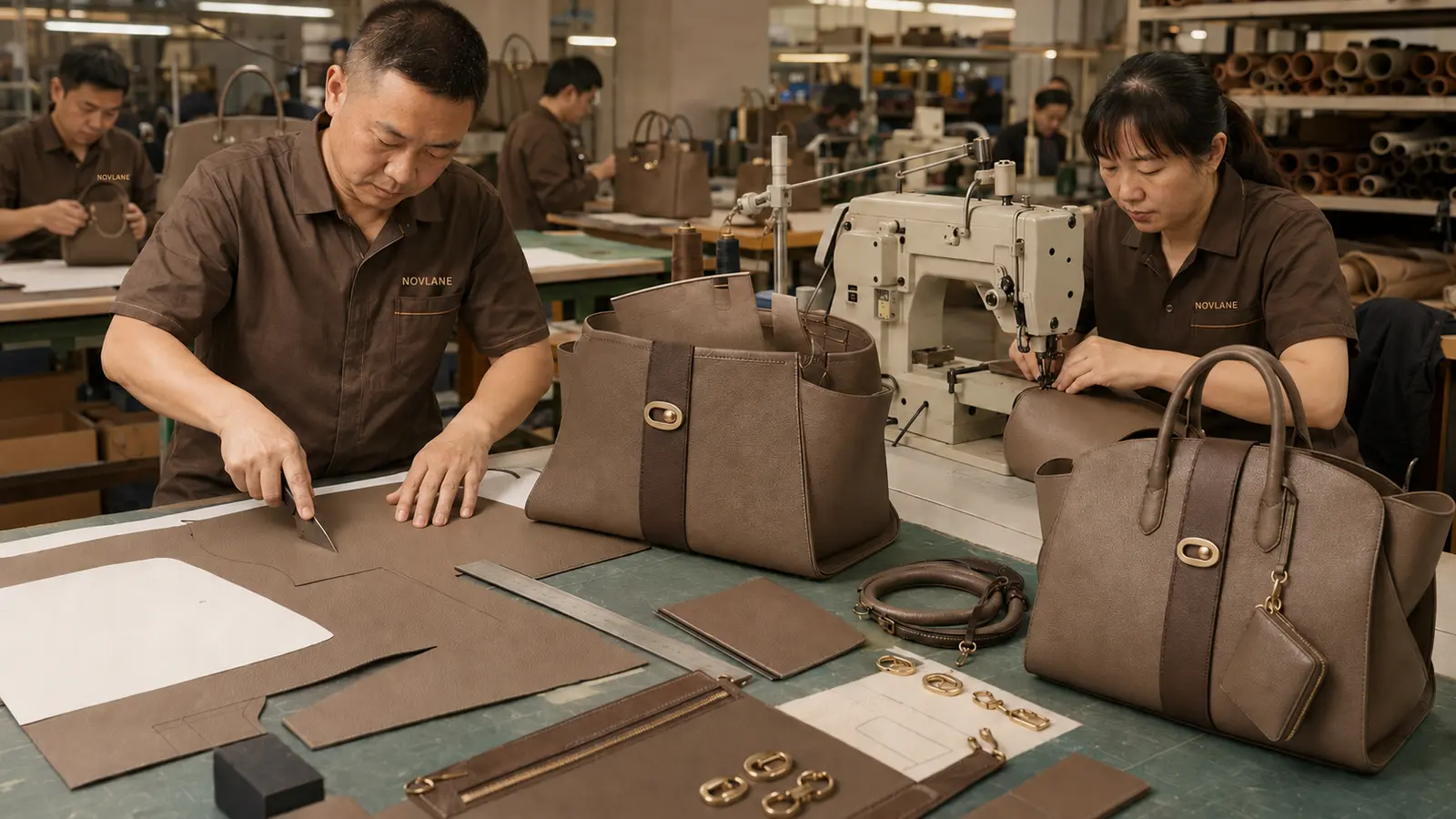
Step 3: Paper Pattern Making and Handbag Prototype
After the specifications are approved, a pattern maker converts the design into paper patterns and cutting components. The sample room then reviews reinforcement, folding, seam allowance, edge paint, zipper installation and final balance.
The first physical prototype helps a handbag prototype manufacturer evaluate both appearance and function. It may reveal changes that were impossible to see in the AI rendering, including handle spacing, opening width, pocket access or total weight.
Step 4: Sample Approval and Quality Control
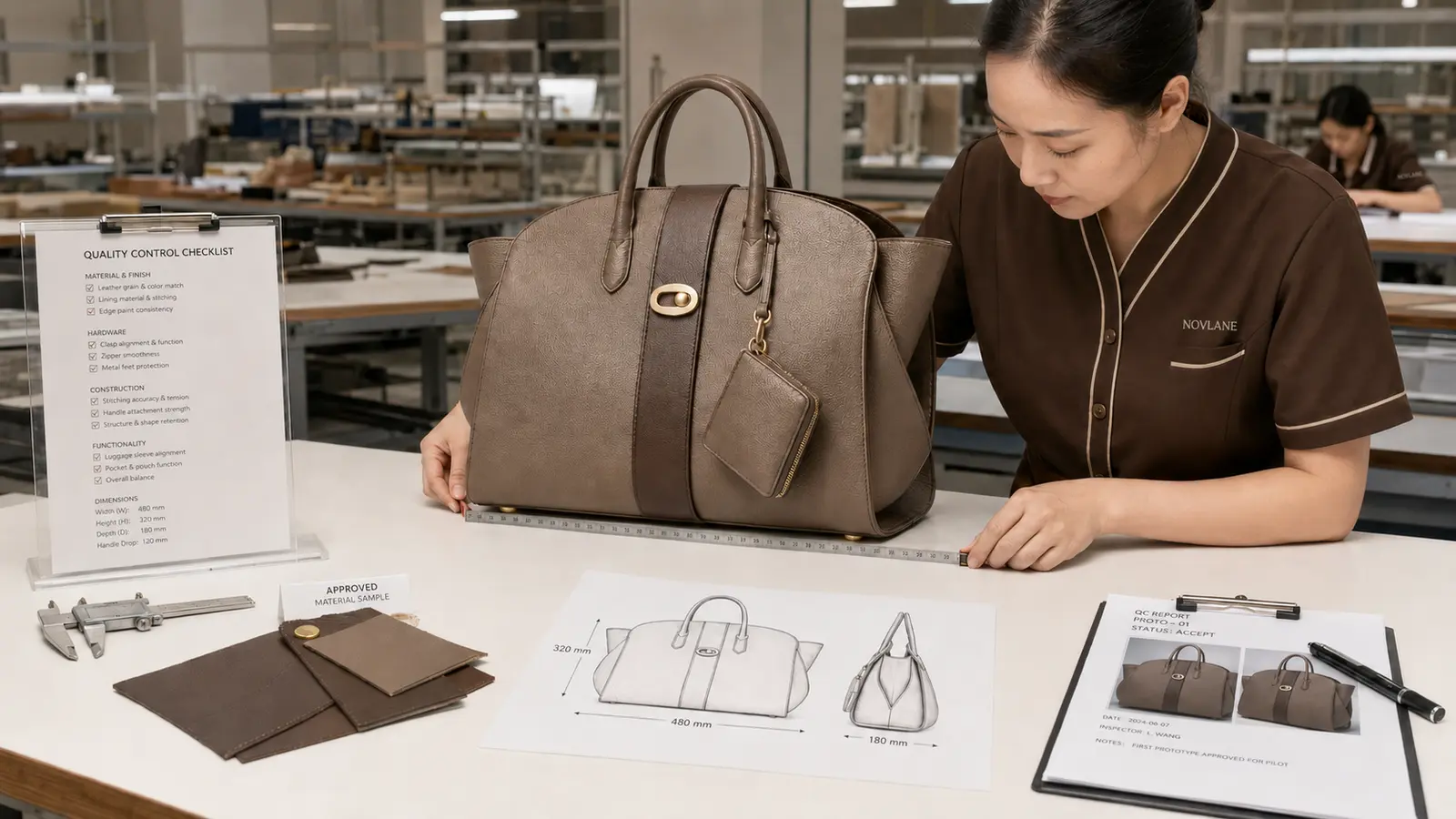
A handbag sample should be checked against an approved specification rather than judged only by appearance. Measurements, materials, stitching, edge finishing, hardware, interior structure and function need recorded approval points before the project advances.
Prototype quality checkpoints
- Overall dimensions and symmetry
- Material grain, colour and thickness
- Stitching accuracy and thread tension
- Edge-paint consistency
- Handle attachment and base reinforcement
- Zipper and closure alignment
- Hardware finish and protection
- Interior pockets and function
Step 5: Production, Packaging and International Delivery Planning
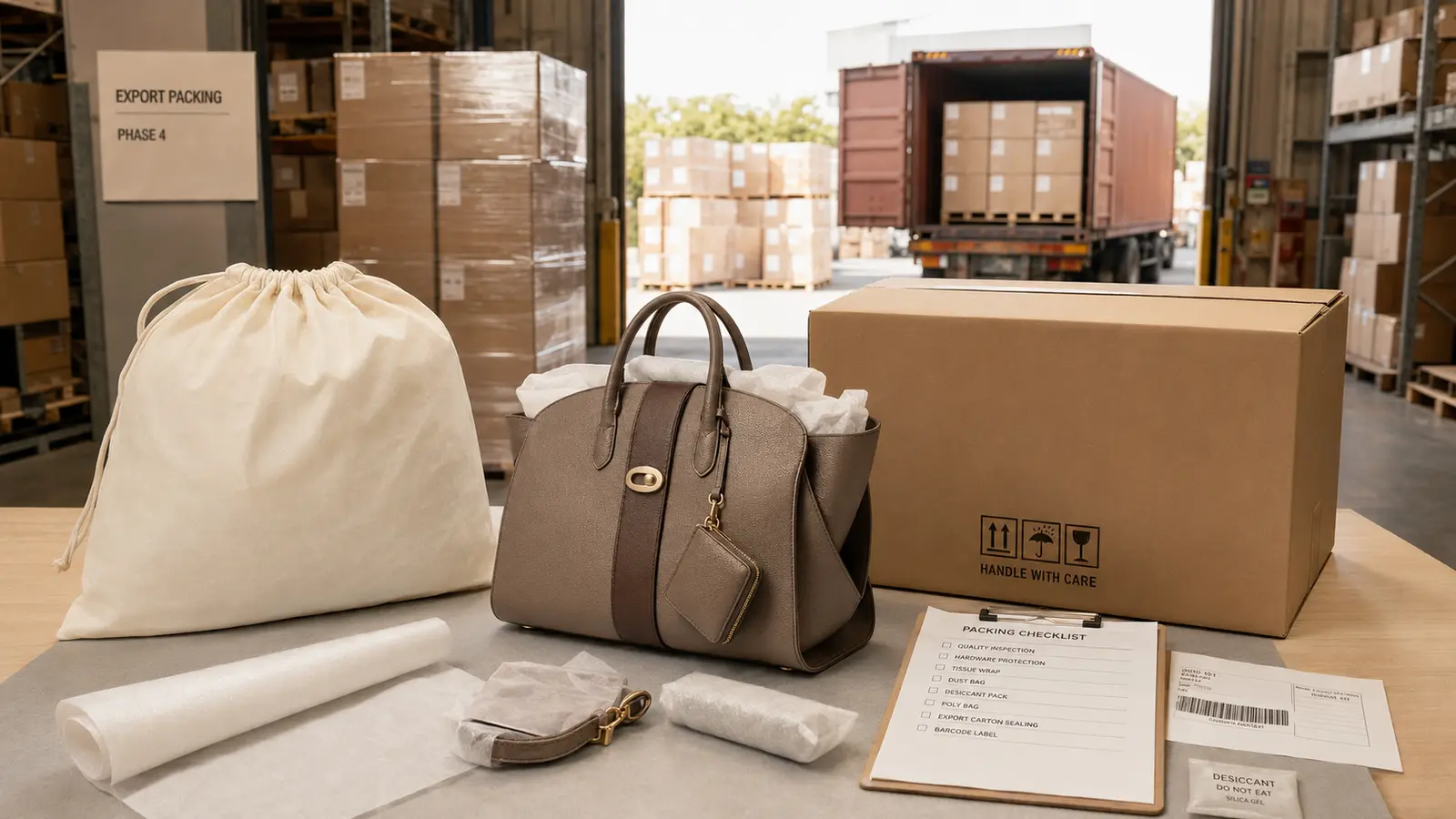
Once the approved sample and commercial terms are confirmed, an OEM handbag development project can move toward production planning. Quantity, lead time and inspection scope depend on the selected material, construction and customization level.
Packaging can be planned with tissue, hardware protection, dust bags, retail packaging, moisture control and export cartons. Courier, air or sea options are reviewed according to quantity, destination and delivery schedule. This visual explains the workflow and does not claim that the illustrated concept is a completed customer shipment.
How Long Does an AI Handbag Sample Take?
A straightforward handbag prototype may take approximately 15–25 working days after specifications and materials are approved. Custom hardware, special materials or complex construction can extend the schedule. The realistic timeline is confirmed after feasibility review.
Can Novlane Help Without a Complete Technical Pack?
Yes. Novlane can begin with an AI image, sketch or early product brief and help organize missing specifications. Before material cutting, the dimensions, functions, material direction, logo, hardware and expected quantity must be confirmed.
VISUAL DISCLOSUREImages on this page are an original, anonymized Novlane capability demonstration. They do not represent a publicly identified client's exclusive design or a completed real shipment.
Continue the development review with Genuine Leather, Digital-Printed Vegan Leather, Printed Bags, Travel & Duffle Bags, Private Label Handbag Manufacturing, OEM/ODM Development Process, Email info@cappuccinobag.net.