Do Not Treat the Labels as Interchangeable
Eco PU and Vegan Leather are often grouped together in buyer conversations, but they should not be treated as interchangeable labels.
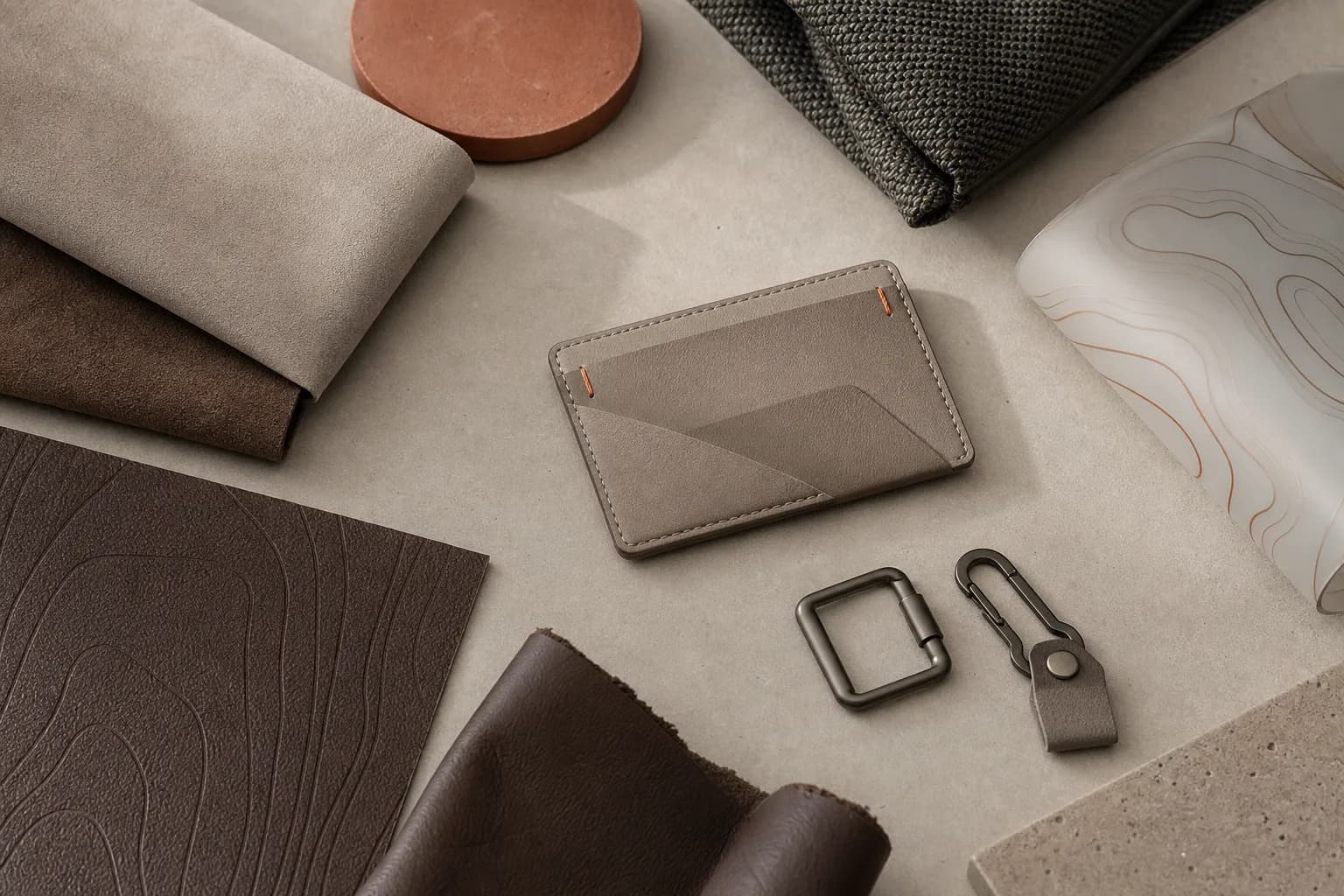
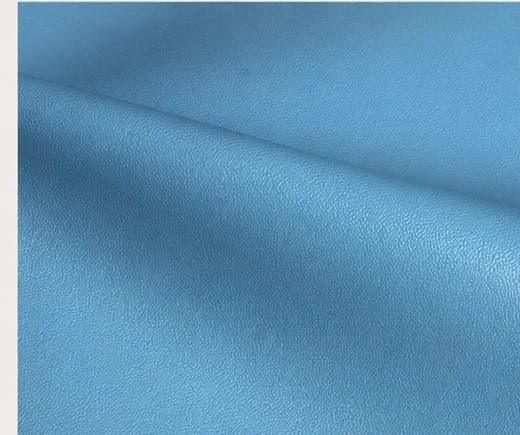
Eco PU is usually selected for a specific surface, grain, drape or performance direction within a PU-based material family. Vegan Leather is a broader commercial positioning that focuses on non-animal material options, which may include different constructions, coatings, backings and hand feels.
Ask Product and Construction Questions
For handbag development, the right question is not simply 'Which is better?' The more useful questions are: What silhouette are you making? How much structure is required? What surface character does the brand want? How should the bag feel in the hand? What compliance or material documentation does the target market require?
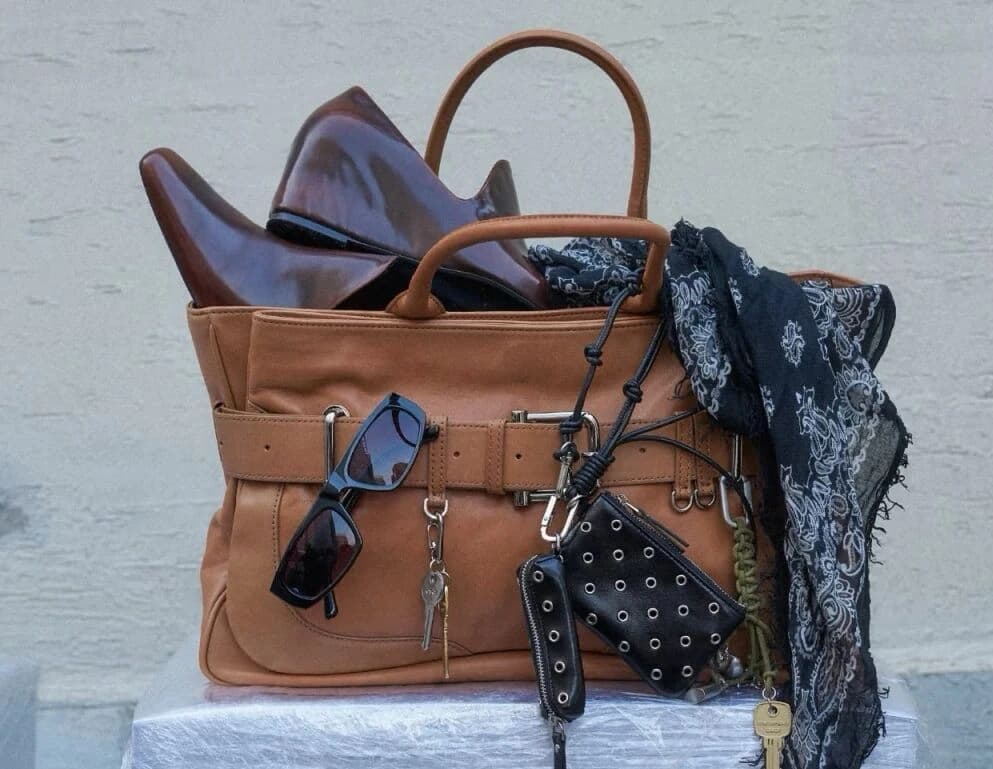
A soft tote may benefit from a material with flexible backing and controlled drape. A structured shoulder bag may need fuller body and better edge definition. A fashion-led mini bag may prioritize directional texture and surface depth.
NOVLANE evaluates these factors during material selection and sampling. Buyers can compare real swatches, discuss target colors, and match a material family to the intended handbag construction before committing to bulk production.
For 2026–2027 collections, both Eco PU and Vegan Leather can play important roles. The best option depends on design intent, technical behavior and the final product brief.
Continue the development review with N7001 Premium Vegan Leather, N2615 Soft Vintage Eco PU, N2410 Premium Lychee Eco PU, Eco PU Material Library, Vegan Leather Material Library, Request a Material Sample.