Start With the Handbag, Not a Material Trend
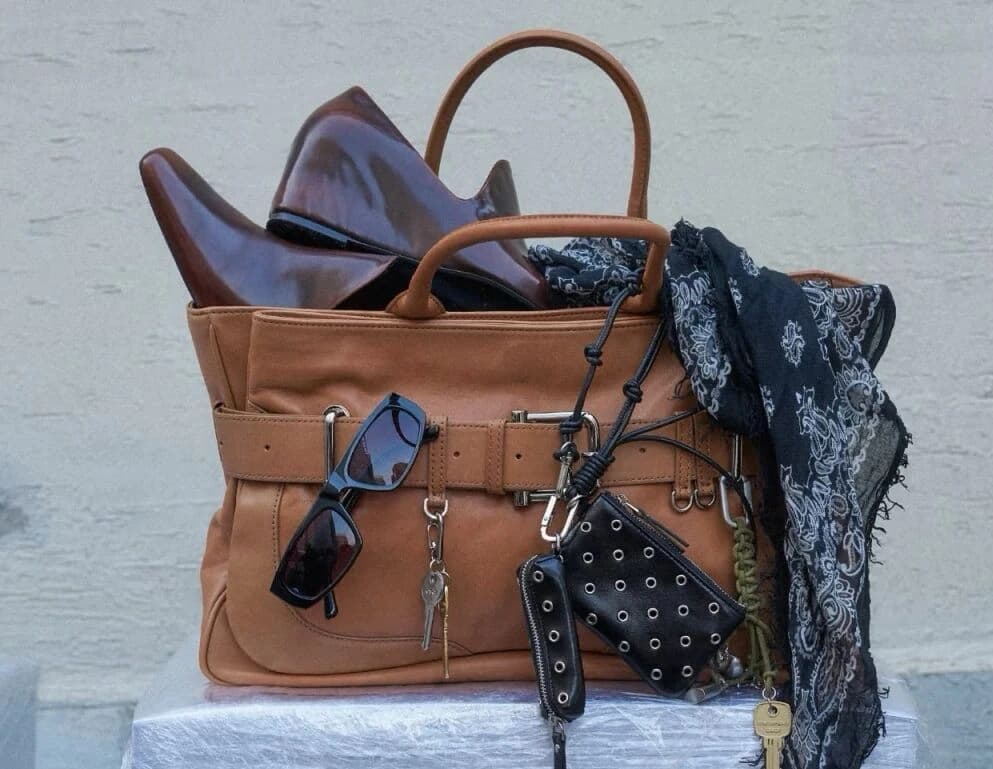
Define the silhouette, size, intended contents, carrying method, target market and retail position before comparing swatches. A soft shoulder bag and a structured top-handle bag ask different things of the exterior, backing, reinforcement and edge construction.
A reference image can explain visual direction, but add dimensions and functions. Note which areas will flex, rub against clothing, carry load or touch hardware. These points turn an attractive material into a practical shortlist.
Useful brief inputs
- Authorized reference image or technical pack
- Dimensions and intended contents
- Target hand feel and structure
- Color and surface direction
- Destination market and use
- Expected quantity and delivery window
Match the Material to Structure and Wear Points
A premium impression depends on more than the face material. Backing, foam, board, lining, thread, edge paint, adhesives and hardware all affect weight, touch and durability. Ask how much support the chosen material needs to hold the silhouette.
Review handles, strap anchors, corners, base panels, closures and pocket openings as a system. A sample should show whether reinforcement protects these areas without making the handbag stiff or bulky.
Test Color, Logo, Lining and Hardware Together
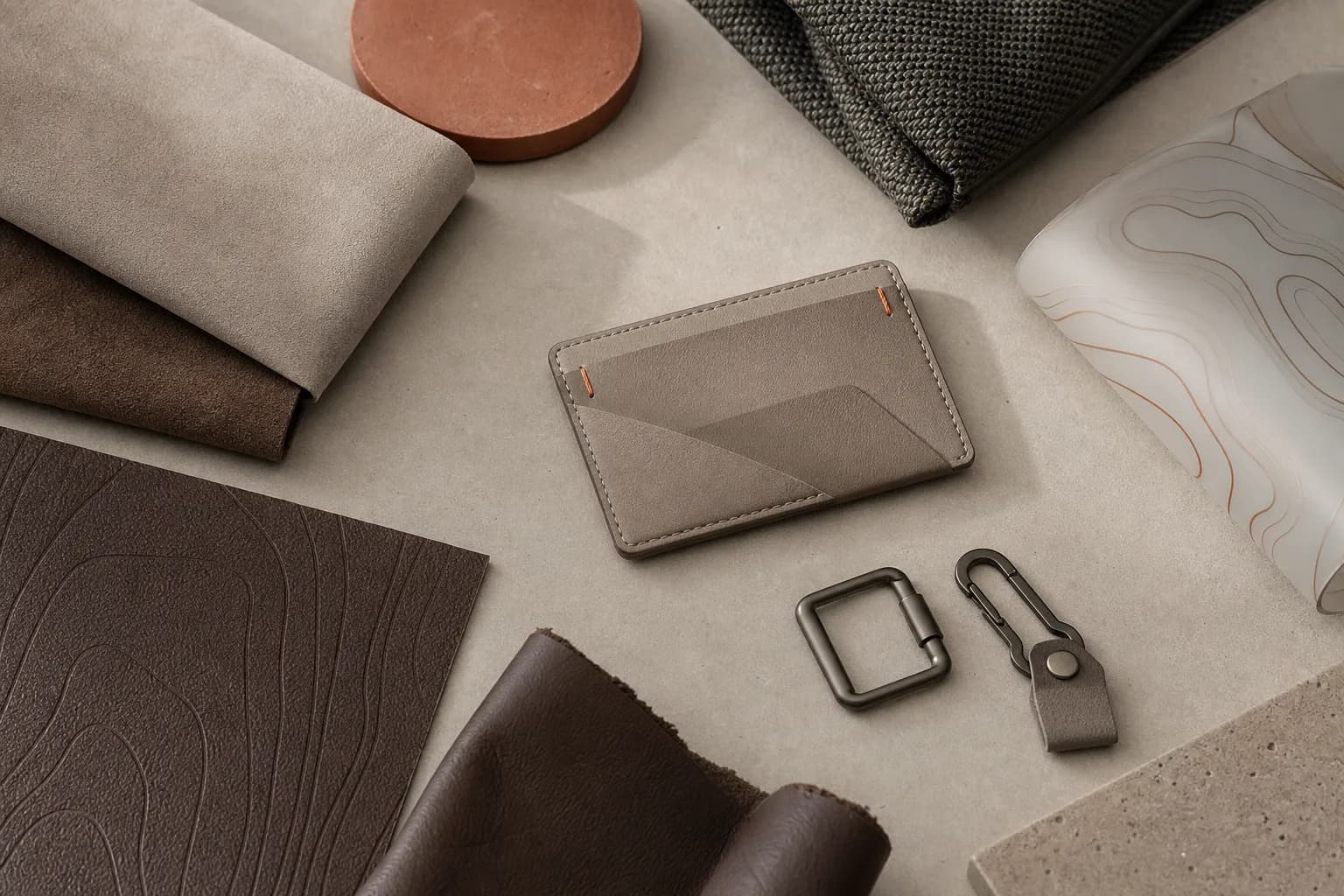
Custom colors, textures, linings and hardware may be available, but feasibility depends on the material article and supplier route. Place the proposed metal finish, thread, edge color and lining beside the physical swatch before approving a palette.
Embossing, embroidery, print, patches and metal logos behave differently on leather, microfiber, coated alternatives and textiles. Test the actual method rather than approving only a digital mockup.
Separate Material Facts From Marketing Claims
Request composition information, supplier specifications and any certificates or test reports needed for the target claim. Confirm that the evidence relates to the exact article, supplier and order route. A certificate held elsewhere in a supply chain does not automatically certify every finished handbag.
Vegan does not automatically mean sustainable, and plant-related content does not establish biodegradability or compostability. Use precise, project-specific language until the documentation has been reviewed.
Use the Sample to Close Material Decisions
Approve the material reference, color, dimensions, structure, logo, hardware, lining, pockets, edge finish and packaging against a written checklist. Record revisions with dated images so the approved sample and specification agree.
A useful quotation follows this confirmed direction. Product structure, material availability, color split, custom components, packaging and quantity all affect the commercial route, so a universal MOQ, price or lead time would be misleading.
Frequently asked questions
Which materials are suitable for premium custom handbags?
Full-grain leather, selected genuine leathers, Alcantara, premium vegan leather, recycled textiles and selected plant-based alternatives can all support premium custom handbags. The choice depends on hand feel, structure, wear points, target market and claim evidence.
What is the difference between full-grain leather and vegan leather?
Full-grain leather retains the natural outer grain of the hide. Vegan leather is a non-animal material category with varying compositions and backings. The exact articles should be compared for touch, structure, care and performance.
Are custom colors, linings and hardware available?
Material options, custom colors, linings and hardware finishes are available for project evaluation. Feasibility is confirmed for the selected material, construction and supplier route.
Continue the development review with Novlane Material Library, Sustainable Material Evaluation, Fashion Handbags, Material Innovation for Handbags, Request a Sample.