Step 1: Share the Reference and Commercial Context
Novlane can begin with an authorized reference image, sketch, physical sample or technical pack. Explain which visual details matter and which areas are open to development. Include approximate dimensions, intended use, target market and expected quantity.
A technical pack is helpful but not required for the first review. Missing dimensions, functions and construction decisions are identified before sample work begins rather than guessed from an image.
Initial review inputs
- Authorized reference or technical pack
- Dimensions and intended use
- Material and hand-feel direction
- Logo and brand files
- Lining, hardware and packaging
- Expected quantity, market and required window
Step 2: Build a Material and Component Shortlist
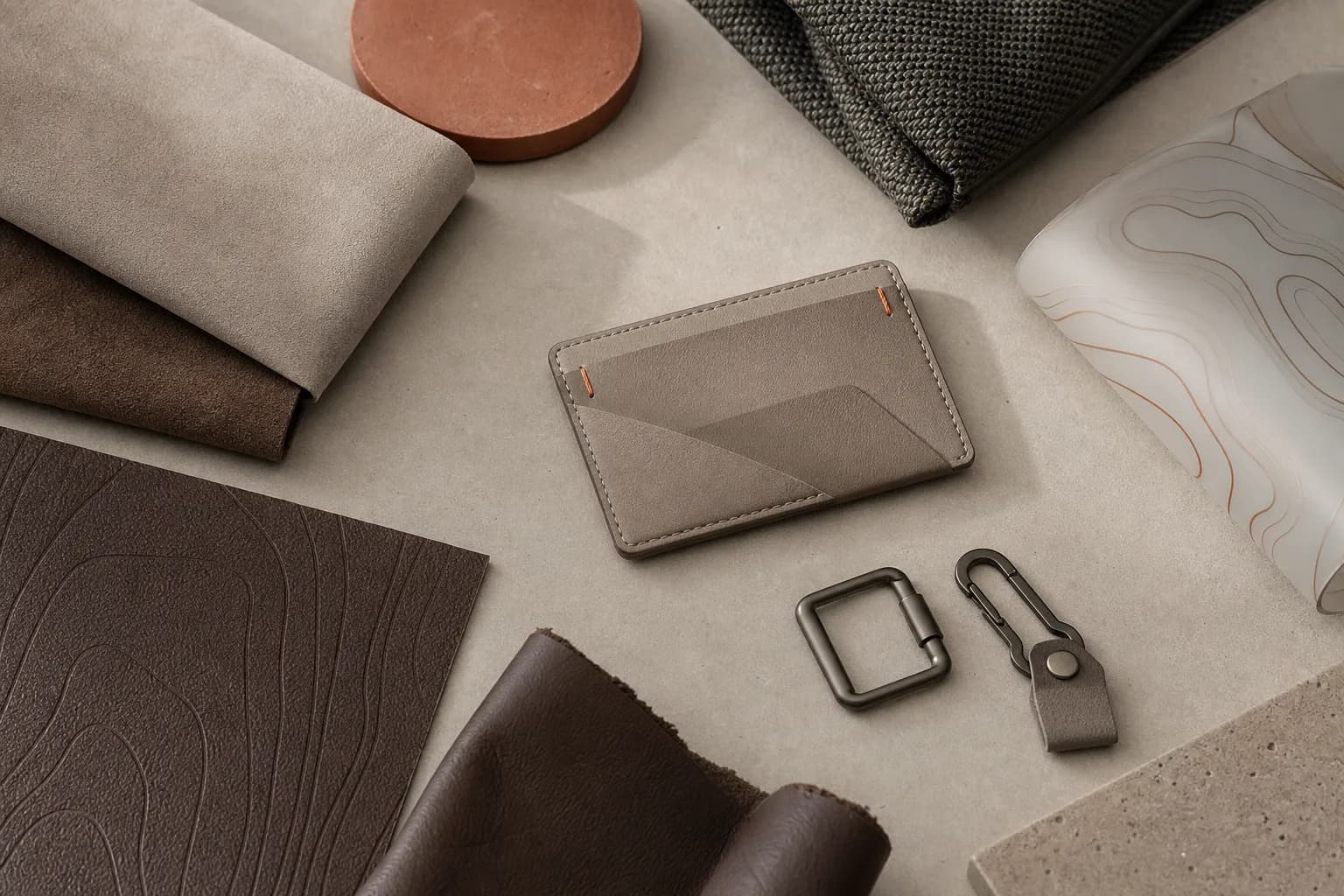
The team compares material character with the proposed silhouette. Leather, Alcantara, vegan leather, recycled textiles and plant-related alternatives differ in structure, folds, edges, wear points and available evidence.
Swatches are reviewed with proposed lining, reinforcement, thread, edge finish, logo and hardware. Material availability and any composition, certification or performance claim are confirmed for the selected article and project—not assumed from a category name.
Step 3: Turn the Design Into a Working Specification
Before cutting, confirm the working dimensions, opening, compartments, pockets, handles, strap range, base, reinforcement and hardware attachment. Pattern or grain direction and logo placement should also be marked.
The specification separates confirmed decisions from optional details and open questions. This prevents a development proposal from being mistaken for a final production commitment.
Step 4: Develop the Physical Prototype
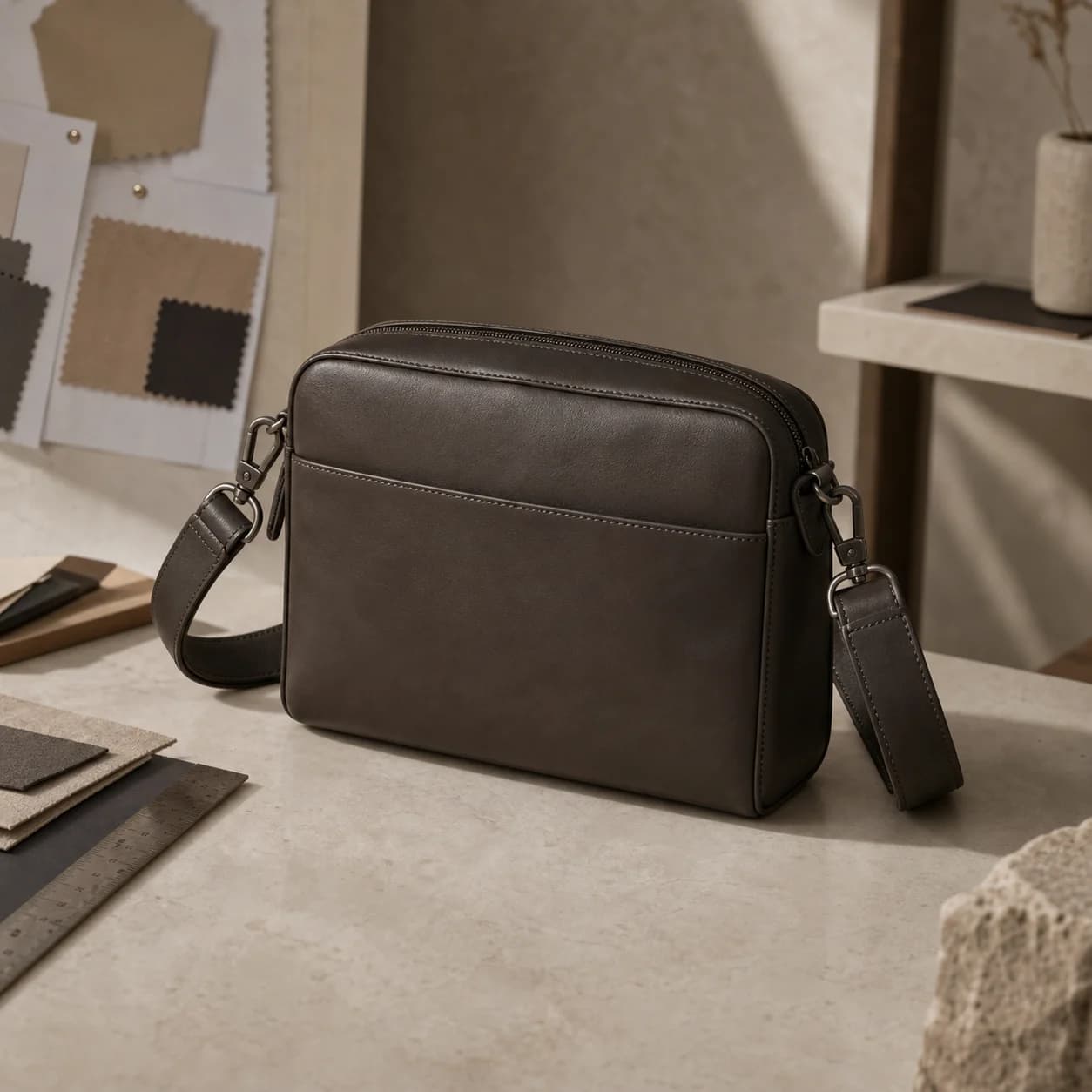
Pattern making and sample construction reveal issues that drawings cannot: opening access, total weight, balance, pocket reach, fold bulk, edge behavior and the way hardware loads the material. The prototype brings these variables into one reviewable object.
If a critical material or print question remains open, a test panel or proof can be useful before the full prototype. The development route should answer the riskiest questions in a sensible order.
Step 5: Review the Sample Against the Brief
Measure the prototype and use it as intended. Review proportion, material, color, surface direction, stitching, edges, closure, strap, handles, pockets, lining, logo, hardware and packaging against the working specification.
Record every revision with clear notes and dated images. A comment such as ‘adjust shape’ is less useful than a marked dimension, panel reference and explanation of the desired result.
Sample approval record
- Dimensions and symmetry
- Material article and color
- Structure and function
- Wear and load points
- Logo, lining and hardware
- Revision status and dated approval
Step 6: Use the Approved Direction for Quotation and Planning
A quotation is most useful when it relates to a defined product. Product structure, selected material, colors, logo method, custom hardware, packaging, quantity and approval cycle influence price, MOQ and schedule.
The approved sample and written specification become the shared reference for later production planning and quality checks. Novlane does not publish a universal MOQ, price or fixed lead time because those terms depend on the actual project.
Frequently asked questions
Can Novlane develop handbags from a reference image or technical pack?
Yes. Novlane can begin with a reference image, sketch, physical sample or technical pack and translate it into dimensions, materials, construction details and approval points before sampling.
How does the sample development process work?
Novlane reviews the brief, compares material options, confirms the working specification, develops a prototype and records revisions. The approved sample and written specification become the reference for quotation and production planning.
What information is needed for a quotation?
Share the product type, dimensions, reference or technical pack, material direction, colors, logo, lining, hardware, packaging, expected quantity, destination market and required delivery window.
Continue the development review with Novlane Material Library, Custom Handbag Development, Factory & Quality, Request a Sample, Start Your Custom Project.