Convertible products often look convincing in a concept image but become complicated when every strap, hook and opening is translated into real construction. A useful design needs clear carrying modes, clean hardware positions and a body that behaves predictably when the load changes.
This direction is for brands that want one product to move between backpack and hand-carry use without appearing overloaded with mechanisms. Feasibility is reviewed through a physical prototype, including how unused straps are stored and how the opening performs in each mode.
02 / REAL USE SCENARIO
Commute, campus and short urban movement
The intended user may carry a small device, notebook, bottle and personal items, then switch carrying mode for a meeting or crowded transport. The prototype should be reviewed while loaded, worn and placed on a table.
03 / MATERIAL REASON
Why the material decision matters.
The exterior must balance weight, fold behaviour and abrasion resistance. Leather, microfiber or selected technical textiles may each suit a different market position; backing and reinforcement are decided with the final silhouette.
Leather, microfiber or textile direction by project
Load-bearing webbing or reinforced strap construction
Lining and pocket materials
Hardware selected for repeated conversion
04 / DEVELOPMENT CAPABILITY
What the project needs to resolve.
Define the two primary carrying modes
Map strap and hardware load paths
Review device and personal-item organisation
Test opening access in each mode
Approve loaded shape and unused-strap management
05 / MANUFACTURABILITY
Questions a rendering cannot answer.
These decisions are reviewed before the product is described as production-ready.
Every additional carry mode adds hardware, seams and potential user confusion; remove mechanisms that do not improve the real use case.
Attachment points require reinforcement that may change the exterior appearance.
A conversion system should be tested for speed, comfort and accidental detachment on the physical sample.
06 / EXISTING DEVELOPMENT EVIDENCE
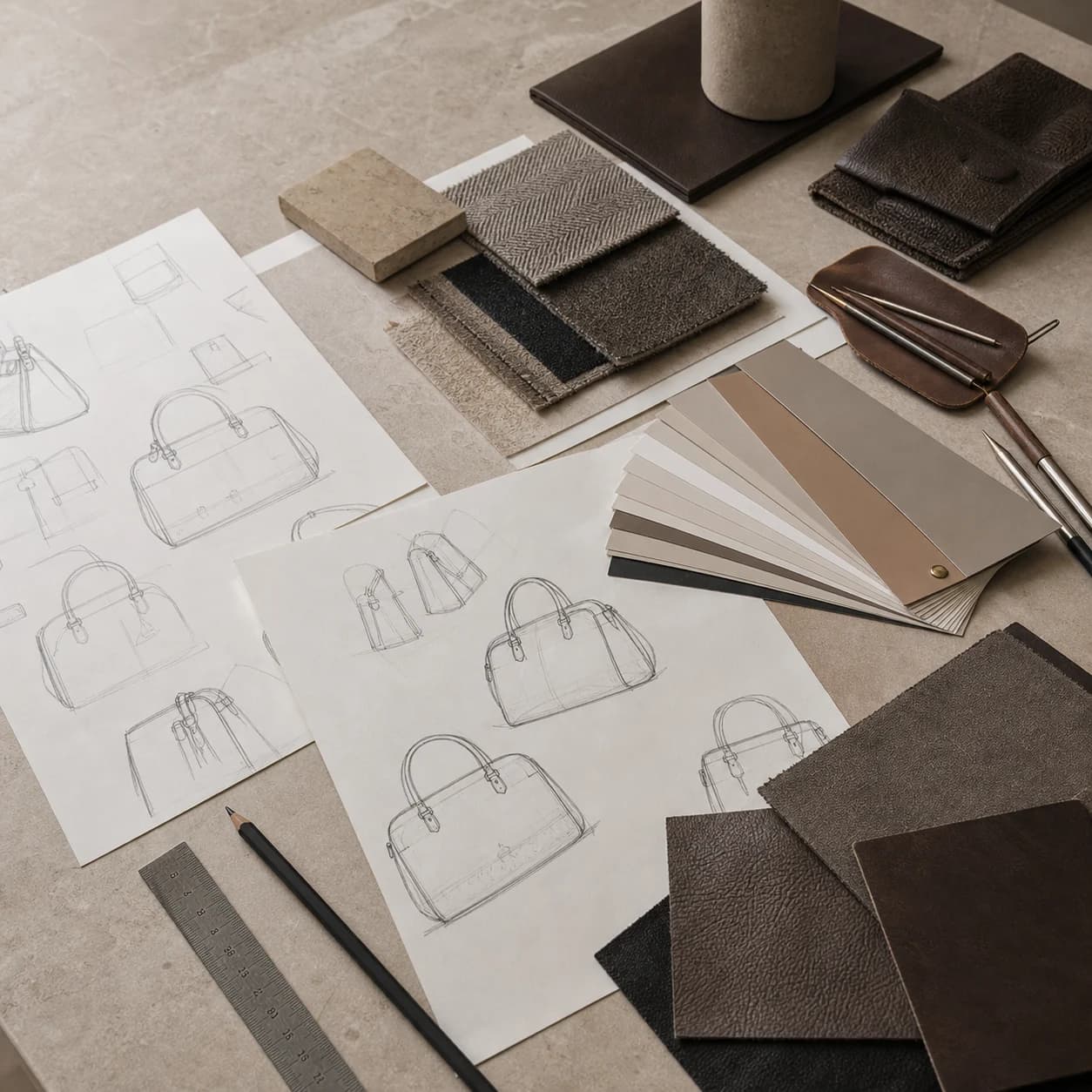
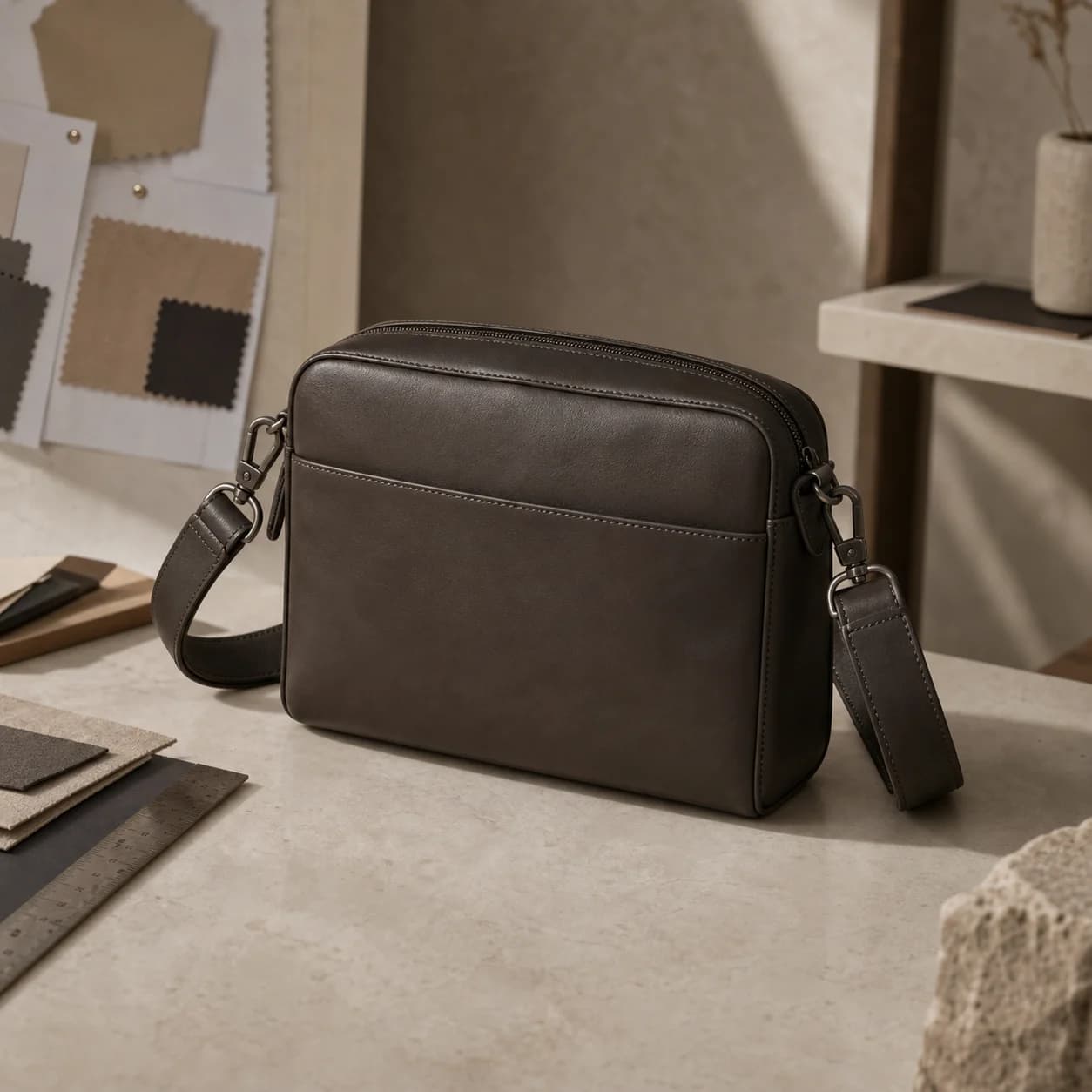
Real process imagery, used with accurate context.
These existing NOVLANE images explain development stages. Captions state when an image is not the exact finished product described on this page.
Existing NOVLANE process image: concept input before engineering.Existing NOVLANE process image: prototype review.
07 / CONTINUE THE RESEARCH
Connect product, material and development knowledge.
How many carrying modes should a convertible backpack have?
Only the modes that solve a real use case. Two clear modes are usually easier to understand and engineer than several rarely used configurations.
Can NOVLANE review an AI-generated backpack concept?
Yes. The concept can begin the discussion, but straps, hardware, access, reinforcement and loaded behaviour need engineering review.
Is water resistance included?
That depends on the selected material, coating, seams, zippers and required claim. Water resistance should not be assumed from an exterior fabric alone.
Manufacturing & compliance support
NOVLANE’s manufacturing and compliance support is provided through Guangzhou Cappuccino Leather Handbag Co., Ltd. Relevant documentation may be reviewed for qualified projects only where it applies to the selected material, submitted sample, production site or registered legal entity.
START YOUR PROJECT
Bring the use case, material direction and visual reference into one development brief.